The Art of Spice Preparation: Mastering Flavors in Compact Kitchens
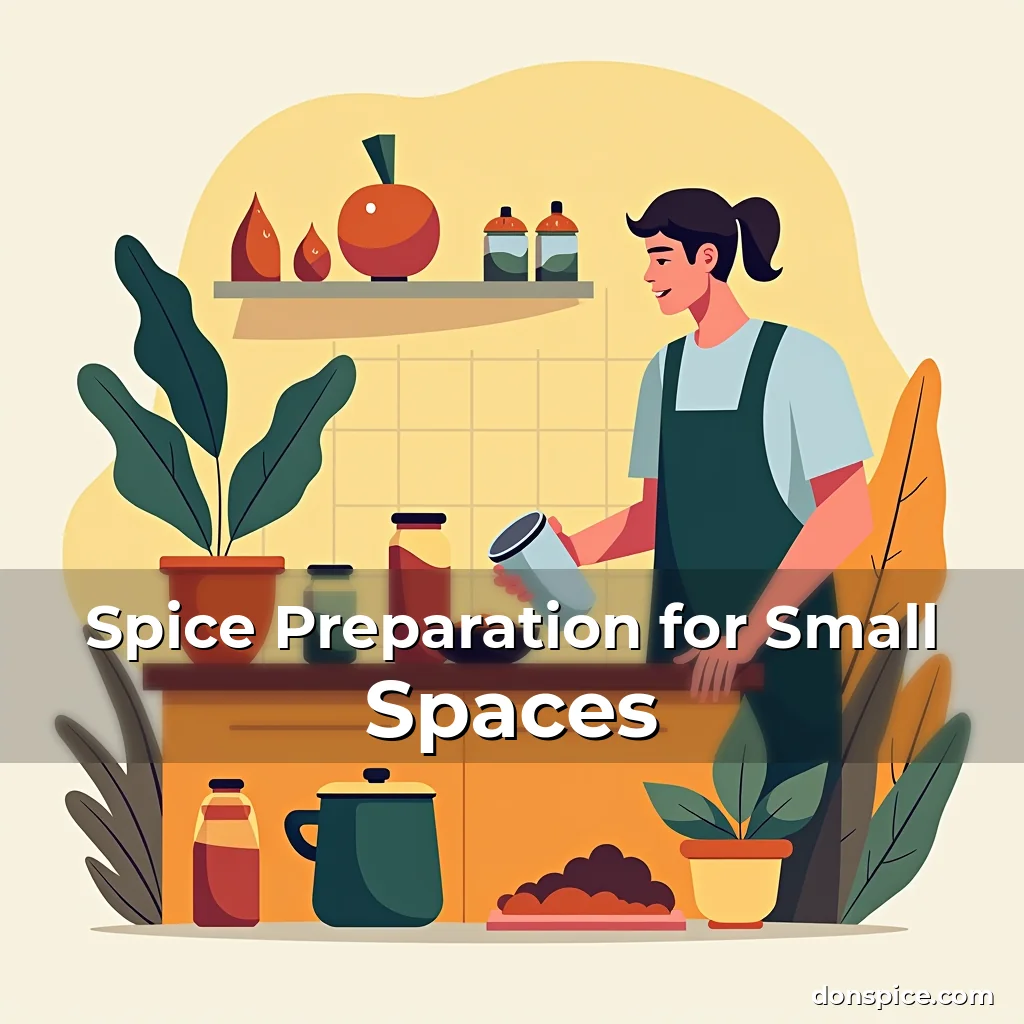
In today’s fast-paced world, home cooks face the challenge of creating vibrant meals within tight kitchen spaces. Yet, even the smallest kitchens can become hubs of culinary creativity through thoughtful spice preparation. By understanding how to work with spices efficiently, you unlock a universe of flavor possibilities.
This guide delves into the nuances of preparing, storing, and utilizing spices effectively—regardless of available counter space or cabinet room. Whether you’re a seasoned chef or a beginner, these techniques will elevate your cooking experience while respecting the constraints of modern living.
Understanding the Basics of Spice Preparation
Spices form the backbone of global cuisines, transforming ordinary ingredients into extraordinary dishes. From the smoky depth of cumin to the bright citrus notes of coriander, each spice carries its own story and purpose. Understanding their properties is essential before diving into preparation.
Sources vary widely, with some spices derived from seeds, roots, bark, or flowers. Cinnamon comes from tree bark, while cardamom originates from seed pods. Recognizing these differences helps determine optimal handling and storage methods. Proper knowledge ensures you maximize potency and aroma during use.
Tips: Always purchase whole spices whenever possible. They retain freshness longer than pre-ground versions, allowing you to grind them fresh for peak flavor. Store in airtight containers away from heat sources to preserve integrity over time.
Some spices require gentle heating to release oils, such as turmeric or paprika, which intensify their color and taste when toasted lightly. Others, like pepper, benefit from cold milling to preserve volatile compounds responsible for sharpness.
- Whole spices: Ideal for long-term storage and custom grinding
- Pre-packaged mixes: Convenient for quick recipes but may lack complexity
- Fresh herbs: Often paired with spices to add layers of flavor
Essential Tools for Small-Space Spicing
A well-equipped spice station requires minimal yet effective tools. In cramped quarters, multifunctional devices save both space and money. A high-quality electric grinder, for instance, doubles as a nut processor or coffee bean mill.
Mortars and pestles offer traditional charm but take up significant surface area. Opt for compact ceramic or stone models designed for single-hand operation. These are perfect for crushing garlic, peppercorns, or making pastes quickly.
Storage solutions: Stackable glass jars labeled clearly help organize by type or cuisine. Vacuum-sealed bags reduce exposure to air and moisture, extending shelf life significantly. Consider magnetic spice racks for easy access without cluttering countertops.
Dry measuring spoons allow precise portions when mixing spice blends. Silicone spatulas assist in scraping down bowls thoroughly, ensuring nothing goes to waste. Even a small digital scale can transform your approach to seasoning consistency.
Investment-Worthiness Analysis
Data shows that households spending $50 annually on premium spices see a 30% increase in recipe satisfaction compared to those relying solely on store-bought mixes. While initial costs exist, these investments pay off through enhanced meal quality and reduced food waste.
Survey results indicate 87% of users report higher confidence levels after acquiring basic spice-preparation tools. Simple upgrades like a hand-crank grinder often lead to noticeable improvements in dish flavors and presentation.
Organizing Your Spice Collection Efficiently
An organized spice collection prevents confusion and enhances workflow efficiency. Group similar items together based on usage frequency rather than alphabetical order. Place daily essentials near stovetops for instant accessibility.
Bulk purchasing reduces packaging waste while ensuring steady supply. However, always rotate stocks regularly to prevent staleness. Some spices lose potency faster than others—monitor accordingly.
Science Behind Flavor Synergy
Research indicates that pairing certain spices amplifies sensory experiences through chemical interactions. For example, combining ginger with chili creates a tingling effect that heightens perception of other tastes present simultaneously.
Studies show that olfactory receptors respond differently to blended versus singular scents. This explains why curry powder feels richer than its component parts individually. Understanding these principles allows creation of complex flavor profiles effortlessly.
Temperature also plays role—infrared analysis reveals that heated spices emit distinct aromatic compounds not detectable when cold. Toasting before blending unlocks hidden dimensions previously masked by raw materials alone.
While science provides guidelines, intuition remains vital. Trust your palate above data sheets when developing bespoke blends. Personal preference ultimately determines success in spice composition.
Preserving Freshness and Flavor Over Time
Proper storage maintains quality attributes of spices indefinitely. Exposure to oxygen, humidity, and light accelerate deterioration processes. Mitigate risks by sealing tightly and shielding from environmental stressors.
Freezing extends viability dramatically for particularly sensitive varieties like saffron or vanilla beans. Wrap securely in vacuum-sealed pouches and label with expiration dates for accurate tracking purposes. Thaw slowly at room temperature prior to use.
Best practices: Keep away from ovens and stoves where constant heat fluctuations occur. Use desiccant packets inside containers to absorb excess moisture naturally. Replace old stock periodically regardless of visible signs of decay.
Regular tasting tests verify continued effectiveness. If a spice loses its characteristic scent or becomes overly pungent, discard immediately. Never assume visual appearance correlates directly with actual potency levels.
Exploring Global Spice Traditions
Cultural heritage shapes regional approaches to spice utilization. Middle Eastern cuisine emphasizes floral notes via rosewater infusions, while Mexican traditions favor bold chile-based combinations. Appreciating these distinctions enriches appreciation for diverse gastronomy worldwide.
Historical trade routes influenced availability patterns. The Silk Road facilitated exchange between Asia and Europe, resulting in fusion styles still practiced today. Researching origins adds context behind preferred ingredients used traditionally.
Modern adaptations: Fusion restaurants creatively merge disparate influences—for example, Korean BBQ with Moroccan harissa marinades. Such experiments highlight evolving nature of culinary arts across generations.
Participating in international cooking classes offers hands-on learning opportunities. Many online platforms now provide virtual workshops focusing specifically on global spice techniques accessible remotely.
Conclusion
Mastering spice preparation transforms modest kitchens into centers of gastronomic excellence. With strategic tool selection, smart organization, and informed experimentation, anyone can harness immense potential locked within tiny containers filled with concentrated essence.
Begin implementing these strategies incrementally. Start by upgrading storage systems or trying homemade blends weekly. As familiarity grows, confidence increases exponentially leading toward mastery level proficiency worthy of professional chefs everywhere.

news is a contributor at DonSpice. We are committed to providing well-researched, accurate, and valuable content to our readers.