The Art and Science of Spice Preparation: A Deep Dive into Flavor Enhancement Techniques
In the world of culinary arts, spice preparation stands as a cornerstone of flavor creation. From ancient civilizations to modern kitchens, the careful handling and blending of spices have transformed simple ingredients into extraordinary dishes.
This guide explores the nuanced techniques behind spice preparation, offering insight into how professional chefs and home cooks alike can elevate their cooking through precise methods and creative experimentation.
Fundamentals of Spice Selection
Selecting high-quality spices is the first step toward successful spice preparation. The source, freshness, and purity of your spices significantly impact the final result of any dish.
Whole spices generally outlast ground varieties, retaining their potency longer when stored properly. This makes them ideal for long-term use in pantries and spice racks.
Aroma plays a critical role in selecting quality spices. When purchasing whole spices, they should emit a strong, distinct scent upon opening the container.
Ground spices require immediate use due to their increased surface area exposing them to air and light. Storing them in airtight containers helps preserve their essential oils.
- Variety: Stock both whole and ground forms of common spices like cinnamon, cumin, and coriander.
- Purity: Avoid pre-blended spice mixes unless you’re certain of their composition and quality.
- Origin: Spices from regions where they are traditionally grown often offer superior quality and authenticity.
Mastery Through Grinding Techniques
Grinding spices correctly unlocks their full potential by releasing aromatic compounds that enhance flavors in food. Different grinding methods suit various types of spices and recipes.
For delicate herbs like dill and basil, using a mortar and pestle preserves their volatile oils better than mechanical grinders which may generate heat and degrade quality.
Coarse grinds work well for meats and roasted vegetables, allowing for gradual infusion of flavor during cooking processes such as braising or roasting.
Fine powders are necessary for sauces, soups, and marinades requiring intense flavor penetration across liquid bases.
Choosing the Right Tool for the Job
Hand-crank grinders provide consistent texture while preserving natural aromatics, making them suitable for most kitchen applications. Electric models excel at processing larger quantities quickly but may not be as effective for small batches.
Bullet blenders are excellent for creating pastes from fresh chiles or garlic cloves combined with dried spices. Their powerful motor ensures thorough mixing even with fibrous ingredients.
Coffee grinders can double as spice mills when cleaned thoroughly between uses. However, residual coffee oils might affect the taste profile of subsequent spice preparations.
Investing in specialty tools dedicated solely to spice preparation ensures optimal results free from cross-contamination risks associated with multi-purpose appliances.
The Alchemy of Roasting Spices
Roasting enhances depth of flavor by caramelizing sugars present within individual spice seeds and pods. This technique transforms raw materials into complex flavor profiles through controlled heating.
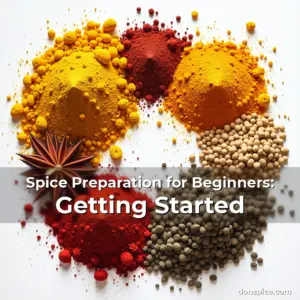
Turmeric gains its characteristic golden hue and intensified earthiness after being lightly toasted over low heat. Similar effects occur with cardamom pods, whose floral notes become more pronounced post-roast.
To roast spices effectively, spread them evenly on a baking sheet and monitor closely to prevent burning. Adjust oven temperature based on spice type and desired outcome.
Different spices require varying temperatures; black pepper benefits from medium heat whereas fennel seeds need higher temperatures for optimal aroma development.
Temperature Control for Optimal Results
Using an oven thermometer guarantees precision when roasting spices at home. Most standard ovens run hotter than indicated settings, so adjusting accordingly prevents overcooking.
Stovetop roasting offers greater control through direct flame adjustment. Skillet roasting works particularly well for smaller quantities needing frequent stirring or flipping.
Roasting time varies depending on spice density and moisture content. Lightly toasted nuts paired with spices create synergistic flavor interactions worth exploring experimentally.
Always allow roasted spices to cool completely before storing to avoid trapping steam inside sealed containers which could lead to mold growth issues later.
Blending Secrets Revealed
Creating custom spice blends requires understanding complementary flavor relationships among different components. Balancing acidity, sweetness, bitterness, and umami elements leads to harmonious compositions.
A basic curry powder example combines turmeric (color), ginger (heat), cumin (warmth), coriander (sweetness), and chili (spiciness) in measured proportions determined by regional preferences.
Taste-testing incremental additions allows fine-tuning until achieving perfect equilibrium. Remember that some combinations may require aging before reaching peak synergy.
Sieving blended mixtures removes unwanted particles ensuring smooth consistency especially important for dusting onto baked goods or coating proteins prior to frying.
Storage Strategies for Blends
Store freshly made spice blends in dark glass jars away from direct sunlight exposure. These conditions help maintain vibrant colors and potent aromas over extended periods.
Label each jar with date created information to track shelf life progression accurately. Some blends retain quality indefinitely while others benefit from periodic refreshing.
Refrigeration extends viability beyond typical storage limits but introduces condensation risk if containers aren’t properly sealed against humidity fluctuations.
Consider portioning large batches into single-use envelopes or silicone bags for convenience when preparing meals regularly featuring specific flavor profiles.
Infusion Methods Unveiled
Extracting essence from spices through water-based infusions creates flavorful broths used extensively in Asian cuisines. Proper technique determines strength and clarity of resulting liquids.
Simmering brings out deep, concentrated flavors but also extracts tannins which can cloud broth appearance. Cold steeping yields clearer outcomes albeit with less intensity compared to hot methods.
Straining infused liquids promptly minimizes bacterial growth concerns while preserving desirable characteristics acquired during extraction process.
Varying ratios according to recipe requirements enables customization tailored specifically towards intended application whether sauce base or seasoning agent.
Advanced Infusion Techniques
Dry ice sublimation provides rapid infusion without thermal degradation risks normally encountered through traditional boiling approaches. Ideal for sensitive botanicals prone to oxidation damage.
Vacuum sealing increases dissolution rates by reducing atmospheric pressure affecting solubility properties of target compounds within spice matrices.
Ultrasound technology accelerates molecular diffusion enhancing efficiency without compromising integrity of original constituents involved in infusion reactions.
These advanced methodologies represent cutting-edge solutions accessible primarily through commercial facilities equipped with specialized apparatus rather than household environments.
The Role of Aging in Spice Development
Aging allows chemical transformations occurring naturally over time which can deepen complexity levels previously unattainable through immediate consumption scenarios.
Wooden barrels facilitate slow oxidation processes contributing uniquely identifiable characteristics distinguishable from other storage mediums available commercially today.
Periodically resealing aged spice collections protects against environmental contaminants potentially altering expected sensory attributes developed intentionally during maturation phases.
Monitoring color shifts visually serves as useful indicator regarding internal changes happening internally despite external appearances remaining largely unchanged externally.
Optimal Conditions for Maturation
Maintain ambient temperatures below thirty degrees Celsius ideally located within interior rooms rather than exterior spaces subject to fluctuating weather patterns daily.
Relative humidity must remain consistently low enough preventing microbial proliferation yet sufficient enough maintaining structural integrity of contained substances undergoing transformational stages.
Avoid proximity near sources generating electromagnetic fields capable interfering negatively impacting subtle biochemical pathways responsible orchestrating desired evolutions taking place gradually overtime.
Regular inspections every three months ensure early detection of any anomalies developing unexpectedly disrupting planned developmental trajectories established initially during formulation phases.
Creative Applications Across Cuisines
Understanding cultural contexts informs appropriate usage patterns aligning expectations with local traditions prevalent within respective geographical regions represented authentically through correct implementations.
Middle Eastern cuisine relies heavily on za’atar blend incorporating thyme, sumac, sesame seeds, and salt applied liberally atop flatbreads enjoyed widely throughout Levantine communities globally dispersed across diasporas worldwide.
Indian curries demand meticulous layering sequences involving sequential addition steps respecting chronological order dictated historically informed practices handed down generationally since antiquity preserved meticulously till now.
Latin American mole sauces demonstrate intricate balancing acts combining numerous disparate elements including chocolate, chilies, fruits, nuts, and spices into cohesive symphonies resonating deeply emotionally connecting diners experiencing those remarkable creations firsthand.
Modern Innovations in Culinary Fusion
Globalization has led to exciting hybridizations merging diverse influences producing novel expressions never before conceived simultaneously integrating multiple heritages cohesively without overshadowing any singular component’s inherent qualities individually.
Asian-Pacific fusion movements incorporate miso paste alongside gochujang creating savory-sweet contrasts challenging conventional wisdom surrounding what constitutes acceptable pairings deemed traditional previously regarded immutable fixtures within rigid frameworks imposed artificially restricting possibilities unnecessarily limiting potential outcomes achievable otherwise.
Artisanal spice producers experiment with unconventional pairings such as smoked paprika blended with lemongrass to produce unexpected flavor profiles appealing broadly attracting adventurous eaters eager explore new horizons expanding palates continually pushing boundaries further outward infinitely.
Technology enables real-time analysis determining exact concentrations required optimizing formulations precisely meeting specified criteria defined upfront establishing benchmarks serving as reference points guiding future developments consistently surpassing previous achievements incrementally improving progressively over successive iterations cycles repeating continuously evolving ever forward dynamically adapting organically.
Ethical Considerations in Spice Production
Sustainable sourcing practices protect ecosystems while supporting fair labor standards crucial for ethical supply chains fostering equitable economic opportunities benefiting entire communities impacted indirectly through indirect participation involvement peripheral roles assisting overall success achieved collectively collaboratively.
Organic certification programs ensure cultivation methods exclude synthetic pesticides herbicides fertilizers promoting biodiversity conservation efforts safeguarding wildlife habitats mitigating pollution risks associated industrial agriculture systems prioritizing profit margins above ecological health considerations.
Traceability initiatives enable consumers verify origins confirming transparency verifying claims made publicly regarding product provenance guaranteeing authenticity assuring trustworthiness reinforcing credibility strengthening brand loyalty cultivating positive associations beneficial long-term relationships mutually advantageous exchanges facilitating continued cooperation future endeavors.
Supporting cooperatives empowers growers negotiating better prices securing stable incomes enhancing living conditions enabling investments into education healthcare infrastructure improvements uplifting societies transitioning steadily toward sustainable development goals aligned universally accepted principles global governance structures advocating justice equality prosperity shared equally among populations irrespective geographic location socioeconomic status cultural background.
Conclusion
Mastering spice preparation involves understanding fundamental principles governing selection grinding roasting blending infusing aging and applying knowledge creatively across varied culinary landscapes.
Whether crafting classic recipes or innovating contemporary dishes embracing spice preparation becomes journey discovering endless possibilities transforming ordinary ingredients extraordinary experiences delightfully surprising senses awakening dormant perceptions revealing hidden dimensions hitherto unnoticed appreciated fully only through attentive exploration practiced diligently conscientiously devotedly pursued passionately.
“`

news is a contributor at DonSpice. We are committed to providing well-researched, accurate, and valuable content to our readers.