Common Spice Storage Mistakes to Avoid
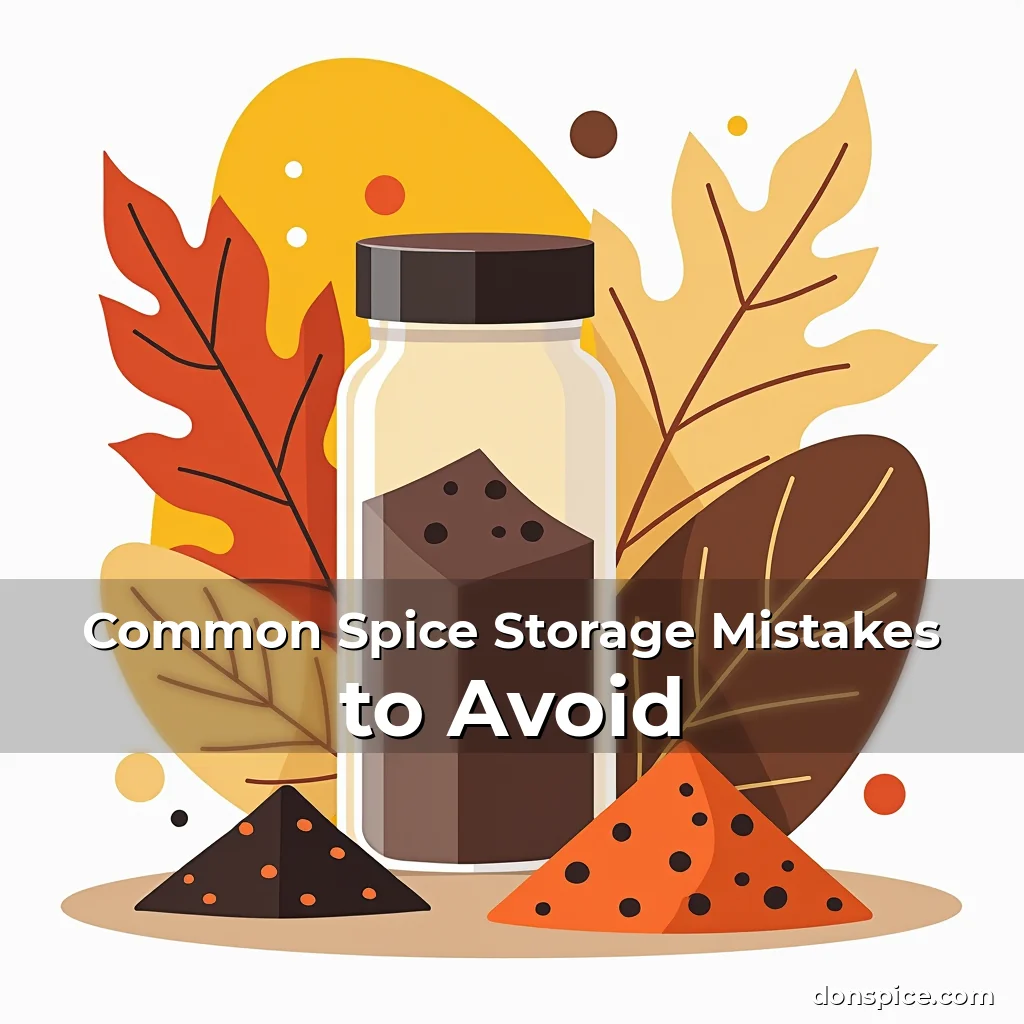
Proper spice storage is essential for preserving flavor, potency, and longevity. Many home cooks unknowingly make mistakes that lead to diminished taste and wasted ingredients.
The right approach can extend shelf life significantly while maintaining optimal quality. Understanding what goes wrong helps avoid costly errors.
The Hidden Dangers of Light Exposure
Light exposure accelerates degradation processes in spices. UV rays break down volatile compounds responsible for aroma and taste.
Prolonged sunlight contact leads to noticeable changes over time. Even indirect light from kitchen cabinets can have cumulative effects.
A simple solution involves using opaque containers made of glass or metal. These materials block harmful radiation effectively.
- Dark-colored jars: Help reduce light penetration even when not completely opaque
- Ceramic containers: Provide natural insulation against temperature fluctuations
Translucent plastic bottles are particularly problematic. They allow enough light to damage sensitive compounds within weeks.
Store spice blends away from windows and under sinks where light might penetrate indirectly. Consistent darkness ensures longer freshness.
Misunderstanding Humidity’s Impact
Humidity plays a critical role in spice preservation. Excess moisture encourages mold growth and chemical reactions that degrade flavors.
Kitchen environments often have fluctuating humidity levels. This variability stresses stored spices unnecessarily.
Condensation inside containers creates ideal conditions for microbial activity. Small amounts of water initiate spoilage processes rapidly.
Use desiccant packets in storage areas to maintain dryness. Silica gel packets work well but must be replaced periodically.
Beware of sealed containers without ventilation holes. Trapped moisture builds up faster than expected.
Optimal relative humidity ranges between 60-70%. Monitor your environment with hygrometers placed near storage locations.
Temperature Fluctuations as Silent Destroyers
Spices require stable temperatures to retain their potency. Frequent heating and cooling cycles cause molecular breakdowns.
Oven proximity poses serious risks despite seeming convenient. Heat radiating from appliances alters chemical compositions subtly yet cumulatively.
Refrigeration also presents challenges. Cold air introduces condensation when removed from cold storage.
Basement storage offers benefits but requires careful monitoring. Some spices develop off-flavors due to damp basement conditions.
Consistency matters most. A cool, dark pantry provides better long-term results than refrigeration or improper cabinet placement.
The Overlooked Importance of Air Quality
Airborne contaminants affect spice integrity through absorption mechanisms. Volatile organic compounds easily transfer between surfaces.
Newly opened spice containers emit strong aromas which attract airborne particles. These settle onto other spices during storage periods.
Smoke detectors and cleaning products contribute significantly to air contamination. Their residues linger in enclosed spaces.
Ventilation solutions include placing containers in separate storage units. Vacuum-sealed bags help isolate contents from external pollutants.
Regular cleaning routines around storage areas minimize particle accumulation. Dust buildup exacerbates cross-contamination issues over time.
Container Material Misconceptions
Plastic containers seem practical but may leach chemicals into spices. Certain plastics react poorly with aromatic oils found in many seasonings.
Glass jars offer superior protection but lack inherent resistance to thermal shocks. Sudden temperature changes risk cracking delicate vessels.
Stainless steel containers provide excellent durability but do not prevent light penetration. Additional shielding measures remain necessary.
Ceramic options combine good insulation properties with moderate light blocking capabilities. However, they are prone to chipping upon impact.
Choose containers based on individual needs rather than assumptions about material superiority alone. Combination approaches yield best results overall.
Neglecting Regular Rotation Practices
Rotation practices ensure consistent usage patterns across different spice varieties. Stale spices accumulate unnoticed without systematic review schedules.
Implement FIFO (first-in-first-out) principles by labeling purchase dates clearly visible. Visual cues help identify older stocks quickly.
Create inventory lists tracking quantities used monthly. This reveals trends showing which items need replenishment sooner.
Schedule quarterly audits to check expiration dates and condition assessments visually. Look for signs indicating loss of color intensity or texture change.
Organize shelves according to frequency of use rather than alphabetical order. Frequently accessed spices stay fresher through regular consumption.
Inadequate Sealing Techniques
Loose-fitting lids permit gradual oxidation processes damaging volatile components. Even minimal gaps compromise seal effectiveness over time.
Rubber gaskets degrade naturally through repeated opening/closing actions. Replace them every six months regardless of apparent wear.
Tight sealing prevents moisture ingress but doesn’t eliminate potential for condensation formation. Balance between air circulation and containment remains crucial.
Two-layer sealing systems add extra protection against both air and moisture intrusion. Double-check all connections before finalizing storage arrangements.
Consider vacuum packing for bulk purchases requiring extended storage durations beyond typical pantry limitations.
Ignoring Specific Requirements for Blends vs Single Spices
Blended seasonings differ fundamentally from single-component spices regarding storage needs. Their complex formulations create unique preservation challenges.
Curry powders contain oil-rich ingredients susceptible to rancidity much quicker than dried herbs alone. Proper handling becomes especially vital here.
Garlic powder requires distinct treatment compared to paprika flakes. Each blend has its own set of optimal conditions.
Research recommended storage methods specifically tailored towards each type of seasoning product available at local markets.
Consult packaging instructions provided by manufacturers whenever possible. These guidelines reflect extensive testing done prior to retail distribution.
Failure to Consider Flavor Cross-Contamination
Strong-smelling spices readily absorb surrounding odors through microscopic channels present in container walls.
Cinnamon sticks can impart their scent onto neighboring peppercorns unless properly isolated. Similar issues arise with cumin and coriander combinations.
Store potent spices separately in dedicated compartments. Physical barriers help mitigate unwanted interactions between different ingredients.
Use compartmentalized drawer organizers designed explicitly for spice storage purposes. These maximize space efficiency while minimizing risk factors.
Fragile spices benefit from being housed individually rather than mixed together in shared containers. Individual wraps add another layer of separation.
Disregarding Optimal Packing Methods
Packing density affects how well spices protect themselves from environmental influences. Loose packing allows greater interaction with outside elements.
Dense compression reduces airspace within containers, limiting oxygen availability for oxidation reactions. This extends freshness dramatically.
Specialty vacuum packs remove excess air entirely but may be unnecessary for short-term storage needs only.
Fill containers nearly full without overpacking to allow slight expansion during initial settling phases after pouring.
Leave small headspace for those preferring traditional jar-style storage instead of vacuum-sealed alternatives.
Overlooking Seasonal Variations in Climate Conditions
Seasonal climate shifts necessitate adjustments to standard storage protocols. Tropical climates pose particular challenges year-round.
Summer heat waves increase evaporation rates affecting moisture balance inside storage areas. Winter frosts introduce new risks related to freezing temperatures.
Adjustment strategies vary depending on regional weather patterns observed annually. Local knowledge proves invaluable here.
Monitor indoor temperature variations regularly using digital thermometers placed strategically near spice racks.
Install dehumidifiers during high-humidity seasons to combat increased atmospheric moisture levels threatening spice stability.
Underestimating Shelf Life Differences Between Spice Types
Shelf lives vary considerably among different types of spices. Some last indefinitely while others lose viability within months.
Ground cinnamon typically lasts 6-8 months whereas whole cloves maintain potency for several years when stored correctly.
Freshly ground pepper loses its sharpness much faster than pre-ground versions already exposed to air previously.
Create a prioritization system focusing first on perishable items needing frequent replacement cycles.
Mark all containers visibly with date indicators so users know exactly when to expect performance decline.
Conclusion
Avoiding common storage mistakes preserves spice quality and enhances cooking experiences consistently. Correct techniques transform routine food preparation into culinary artistry.
Adopt these recommendations systematically to achieve lasting improvements in both flavor retention and ingredient economy. Proper care pays dividends through reduced waste and improved meal satisfaction.
“` “`html
Common Spice Storage Mistakes to Avoid
Proper spice storage is essential for preserving flavor, potency, and longevity. Many home cooks unknowingly make mistakes that lead to diminished taste and wasted ingredients.
The right approach can extend shelf life significantly while maintaining optimal quality. Understanding what goes wrong helps avoid costly errors.
The Hidden Dangers of Light Exposure
Light exposure accelerates degradation processes in spices. UV rays break down volatile compounds responsible for aroma and taste.
Prolonged sunlight contact leads to noticeable changes over time. Even indirect light from kitchen cabinets can have cumulative effects.
A simple solution involves using opaque containers made of glass or metal. These materials block harmful radiation effectively.
- Dark-colored jars: Help reduce light penetration even when not completely opaque
- Ceramic containers: Provide natural insulation against temperature fluctuations
Translucent plastic bottles are particularly problematic. They allow enough light to damage sensitive compounds within weeks.
Store spice blends away from windows and under sinks where light might penetrate indirectly. Consistent darkness ensures longer freshness.
Misunderstanding Humidity’s Impact
Humidity plays a critical role in spice preservation. Excess moisture encourages mold growth and chemical reactions that degrade flavors.
Kitchen environments often have fluctuating humidity levels. This variability stresses stored spices unnecessarily.
Condensation inside containers creates ideal conditions for microbial activity. Small amounts of water initiate spoilage processes rapidly.
Use desiccant packets in storage areas to maintain dryness. Silica gel packets work well but must be replaced periodically.
Beware of sealed containers without ventilation holes. Trapped moisture builds up faster than expected.
Optimal relative humidity ranges between 60-70%. Monitor your environment with hygrometers placed near storage locations.
Temperature Fluctuations as Silent Destroyers
Spices require stable temperatures to retain their potency. Frequent heating and cooling cycles cause molecular breakdowns.
Oven proximity poses serious risks despite seeming convenient. Heat radiating from appliances alters chemical compositions subtly yet cumulatively.
Refrigeration also presents challenges. Cold air introduces condensation when removed from cold storage.
Basement storage offers benefits but requires careful monitoring. Some spices develop off-flavors due to damp basement conditions.
Consistency matters most. A cool, dark pantry provides better long-term results than refrigeration or improper cabinet placement.
The Overlooked Importance of Air Quality
Airborne contaminants affect spice integrity through absorption mechanisms. Volatile organic compounds easily transfer between surfaces.
Newly opened spice containers emit strong aromas which attract airborne particles. These settle onto other spices during storage periods.
Smoke detectors and cleaning products contribute significantly to air contamination. Their residues linger in enclosed spaces.
Ventilation solutions include placing containers in separate storage units. Vacuum-sealed bags help isolate contents from external pollutants.
Regular cleaning routines around storage areas minimize particle accumulation. Dust buildup exacerbates cross-contamination issues over time.
Container Material Misconceptions
Plastic containers seem practical but may leach chemicals into spices. Certain plastics react poorly with aromatic oils found in many seasonings.
Glass jars offer superior protection but lack inherent resistance to thermal shocks. Sudden temperature changes risk cracking delicate vessels.
Stainless steel containers provide excellent durability but do not prevent light penetration. Additional shielding measures remain necessary.
Ceramic options combine good insulation properties with moderate light blocking capabilities. However, they are prone to chipping upon impact.
Choose containers based on individual needs rather than assumptions about material superiority alone. Combination approaches yield best results overall.
Neglecting Regular Rotation Practices
Rotation practices ensure consistent usage patterns across different spice varieties. Stale spices accumulate unnoticed without systematic review schedules.
Implement FIFO (first-in-first-out) principles by labeling purchase dates clearly visible. Visual cues help identify older stocks quickly.
Create inventory lists tracking quantities used monthly. This reveals trends showing which items need replenishment sooner.
Schedule quarterly audits to check expiration dates and condition assessments visually. Look for signs indicating loss of color intensity or texture change.
Organize shelves according to frequency of use rather than alphabetical order. Frequently accessed spices stay fresher through regular consumption.
Inadequate Sealing Techniques
Loose-fitting lids permit gradual oxidation processes damaging volatile components. Even minimal gaps compromise seal effectiveness over time.
Rubber gaskets degrade naturally through repeated opening/closing actions. Replace them every six months regardless of apparent wear.
Tight sealing prevents moisture ingress but doesn’t eliminate potential for condensation formation. Balance between air circulation and containment remains crucial.
Two-layer sealing systems add extra protection against both air and moisture intrusion. Double-check all connections before finalizing storage arrangements.
Consider vacuum packing for bulk purchases requiring extended storage durations beyond typical pantry limitations.
Ignoring Specific Requirements for Blends vs Single Spices
Blended seasonings differ fundamentally from single-component spices regarding storage needs. Their complex formulations create unique preservation challenges.
Curry powders contain oil-rich ingredients susceptible to rancidity much quicker than dried herbs alone. Proper handling becomes especially vital here.
Garlic powder requires distinct treatment compared to paprika flakes. Each blend has its own set of optimal conditions.
Research recommended storage methods specifically tailored towards each type of seasoning product available at local markets.
Consult packaging instructions provided by manufacturers whenever possible. These guidelines reflect extensive testing done prior to retail distribution.
Failure to Consider Flavor Cross-Contamination
Strong-smelling spices readily absorb surrounding odors through microscopic channels present in container walls.
Cinnamon sticks can impart their scent onto neighboring peppercorns unless properly isolated. Similar issues arise with cumin and coriander combinations.
Store potent spices separately in dedicated compartments. Physical barriers help mitigate unwanted interactions between different ingredients.
Use compartmentalized drawer organizers designed explicitly for spice storage purposes. These maximize space efficiency while minimizing risk factors.
Fragile spices benefit from being housed individually rather than mixed together in shared containers. Individual wraps add another layer of separation.
Disregarding Optimal Packing Methods
Packing density affects how well spices protect themselves from environmental influences. Loose packing allows greater interaction with outside elements.
Dense compression reduces airspace within containers, limiting oxygen availability for oxidation reactions. This extends freshness dramatically.
Specialty vacuum packs remove excess air entirely but may be unnecessary for short-term storage needs only.
Fill containers nearly full without overpacking to allow slight expansion during initial settling phases after pouring.
Leave small headspace for those preferring traditional jar-style storage instead of vacuum-sealed alternatives.
Overlooking Seasonal Variations in Climate Conditions
Seasonal climate shifts necessitate adjustments to standard storage protocols. Tropical climates pose particular challenges year-round.
Summer heat waves increase evaporation rates affecting moisture balance inside storage areas. Winter frosts introduce new risks related to freezing temperatures.
Adjustment strategies vary depending on regional weather patterns observed annually. Local knowledge proves invaluable here.
Monitor indoor temperature variations regularly using digital thermometers placed strategically near spice racks.
Install dehumidifiers during high-humidity seasons to combat increased atmospheric moisture levels threatening spice stability.
Underestimating Shelf Life Differences Between Spice Types
Shelf lives vary considerably among different types of spices. Some last indefinitely while others lose viability within months.
Ground cinnamon typically lasts 6-8 months whereas whole cloves maintain potency for several years when stored correctly.
Freshly ground pepper loses its sharpness much faster than pre-ground versions already exposed to air previously.
Create a prioritization system focusing first on perishable items needing frequent replacement cycles.
Mark all containers visibly with date indicators so users know exactly when to expect performance decline.
Conclusion
Avoiding common storage mistakes preserves spice quality and enhances cooking experiences consistently. Correct techniques transform routine food preparation into culinary artistry.
Adopt these recommendations systematically to achieve lasting improvements in both flavor retention and ingredient economy. Proper care pays dividends through reduced waste and improved meal satisfaction.
“`

news is a contributor at DonSpice. We are committed to providing well-researched, accurate, and valuable content to our readers.