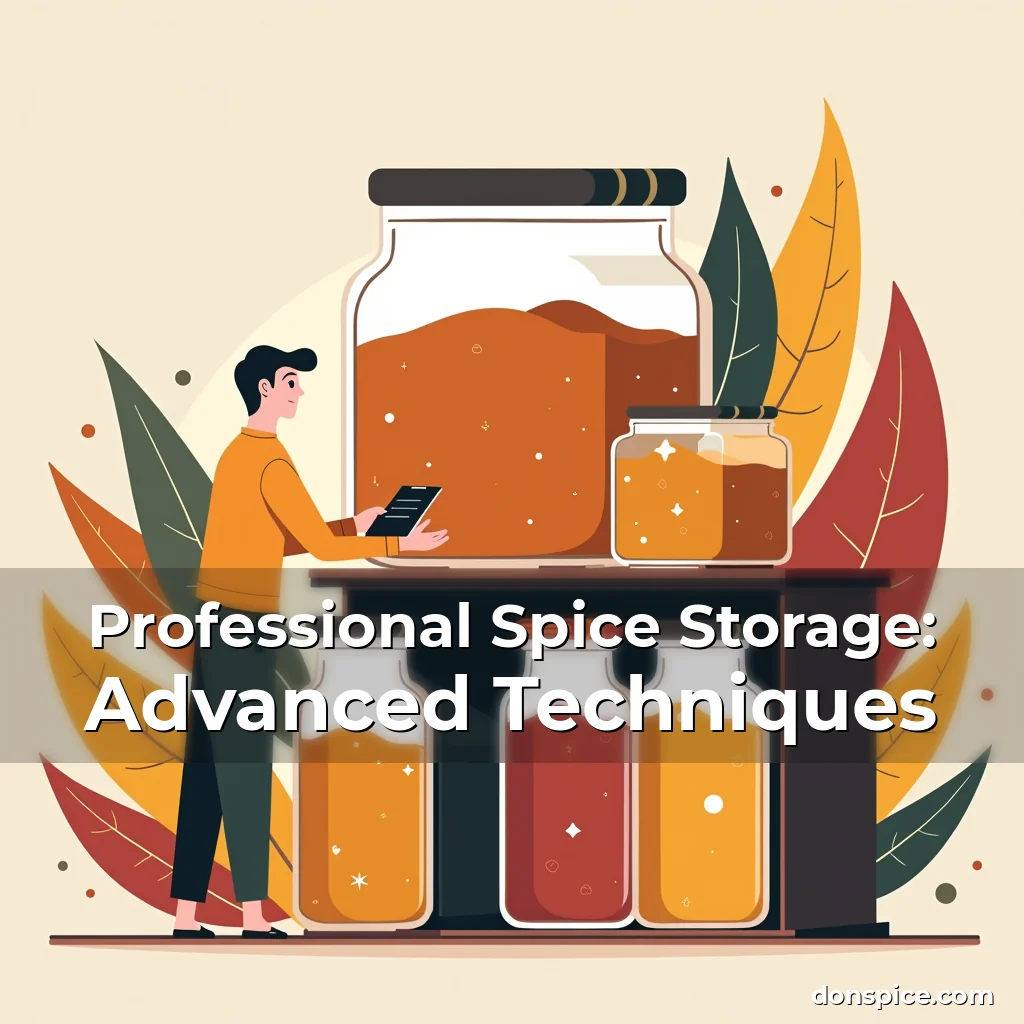
Professional Spice Storage: Advanced Techniques
In today’s culinary world, mastering spice storage is essential for preserving flavor integrity and extending shelf life. Professional chefs and serious home cooks alike recognize that improper storage can lead to diminished potency and undesirable aromas.
The right storage methods not only maintain quality but also enhance cooking experiences by ensuring consistent taste profiles across dishes. This guide explores advanced techniques used in professional kitchens to elevate your personal spice collection management.
The Science Behind Flavor Degradation
Understanding how spices lose their potency involves examining chemical interactions within storage environments. Heat accelerates volatile compound evaporation, while moisture promotes microbial growth that alters flavor compounds.
Oxygen exposure leads to oxidation reactions which break down essential oils responsible for aroma and taste. These factors combine to create gradual yet significant degradation over time when conditions are unfavorable.
- Temperature control: Maintain below 68°F (20°C) to slow molecular movement that causes flavor loss
- Humidity regulation: Keep relative humidity between 30-40% to prevent clumping and mold formation
- Air exposure minimization: Store in vacuum-sealed containers to limit oxygen contact
Material Selection for Optimal Containers
The choice of container material significantly impacts spice longevity. Glass jars offer excellent light protection and non-reactive surfaces that preserve natural flavors without absorption.
Metal containers require careful consideration due to potential reactivity with certain spices containing acidic components. Stainless steel offers better resistance than other metals but still has limitations compared to glass options.
Plastic containers provide lightweight convenience but may leach chemicals under high heat conditions unless specifically labeled as food-safe grade materials.
Comparative Analysis of Container Materials
Studies show that glass containers maintain spice potency up to 30% longer than plastic alternatives when stored properly. Metal containers typically perform best with dry herbs rather than oil-based seasonings.
Bamboo spice racks, popular for organization, allow air circulation but expose contents to direct light and dust accumulation that can compromise freshness over extended periods.
Advanced Organization Systems
Categorizing spices based on usage frequency optimizes kitchen efficiency. Frequently used items should be easily accessible while less commonly used ones can be placed in secondary locations.
Color-coding systems help identify different spice types at a glance. Assigning specific colors to sweet, savory, hot, and aromatic categories streamlines recipe preparation processes.
Labeling each container clearly prevents confusion from similar-looking spices. Include expiration dates and origin information to track quality changes over time.
Environmental Considerations for Long-Term Preservation
Kitchen location plays a crucial role in maintaining spice quality. Refrigeration extends shelf life but requires careful handling to avoid condensation-induced dampness.
Freezing certain spices preserves freshness exceptionally well for long-term storage needs, though repeated thawing cycles might diminish some delicate flavor profiles.
Proper ventilation in storage areas reduces humidity levels that could otherwise promote bacterial growth and spoilage of sensitive ingredients.
Climate-Specific Storage Adjustments
In tropical climates where ambient temperatures exceed ideal ranges, cooling units designed for spice storage become necessary. Specialized drawers with temperature controls help maintain optimal conditions year-round.
Dry regions benefit from dehumidifiers placed near spice repositories to counteract arid conditions that might cause premature desiccation of herb contents.
Modern Technology Integration
Smart storage solutions now incorporate sensors monitoring temperature and humidity levels automatically. Alerts sent to mobile devices warn users of adverse environmental changes affecting spice quality.
Vacuum sealing machines equipped with built-in drying functions eliminate excess moisture before packaging, providing an extra layer of protection against spoilage.
Some high-end models include UV filters in transparent panels to block harmful rays that degrade organic compounds found in most spices and herbs.
IoT Connectivity Features
Internet-connected spice cabinets allow remote monitoring through smartphone apps. Users receive notifications when storage parameters fall outside recommended thresholds.
Data logging capabilities enable tracking of quality trends over time, helping predict when restocking will be necessary before noticeable declines occur.
Eco-Friendly Practices for Sustainable Storage
Sustainable spice storage considers both preservation effectiveness and environmental impact. Reusable containers reduce single-use plastic waste generated during frequent repurchasing cycles.
Paper labels made from recycled materials complement eco-conscious approaches without compromising clarity of information on spice containers.
Choosing locally sourced spices supports regional agriculture and reduces carbon footprint associated with transportation logistics.
Reducing Food Waste Through Better Management
Implementing first-expiry-first-used policies helps minimize waste from outdated ingredients. Digital inventory trackers assist in identifying aging stock requiring immediate attention.
Portion-controlled packaging allows precise measurement of required quantities, reducing leftovers that often go unused beyond their peak freshness period.
Commercial Grade vs Home Use Equipment
Professional kitchens utilize specialized equipment designed for bulk spice storage and accessibility. Industrial-grade refrigerators maintain constant cool temperatures crucial for delicate seasonings.
High-capacity vacuum sealers handle large volumes efficiently, making them suitable for restaurant operations processing thousands of spice portions daily.
Home cooks have access to compact versions that deliver comparable performance benefits without occupying excessive countertop space.
Selecting Appropriate Tools for Different Needs
Assessing storage volume requirements guides equipment selection decisions effectively. Small households need minimalistic solutions whereas commercial setups demand robust infrastructure.
Investment considerations balance cost against expected lifespan; higher-quality appliances generally last longer and perform better over time despite initial expense.
Common Mistakes to Avoid
Storing spices near heat sources such as ovens dramatically shortens their usable lifespan. Direct sunlight exposure similarly contributes to rapid degradation processes.
Frequent opening of containers introduces unnecessary oxygen exposure accelerating rancidity development. Limit access to essential ingredients to preserve their original characteristics.
Mixing together incompatible spices creates cross-contamination risks that alter desired flavor profiles unexpectedly. Always store similar types separately.
Conclusion
By implementing these advanced storage techniques, you transform simple seasoning keeping into a refined practice that enhances every culinary endeavor. Proper maintenance ensures consistent results from your spice collection regardless of application type.
Taking proactive measures now guarantees future enjoyment of vibrant flavors while minimizing waste from deteriorated ingredients. With thoughtful organization and scientific understanding, any kitchen becomes a center for exceptional gastronomic experiences.

news is a contributor at DonSpice. We are committed to providing well-researched, accurate, and valuable content to our readers.