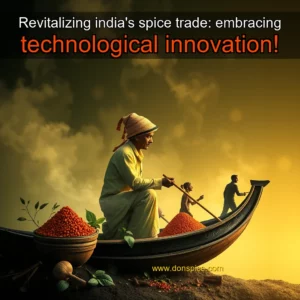
The Spice Trade: India’s Rich Heritage
India’s spice trade is steeped in history, with black pepper being one of the earliest commodities traded. The country’s diverse climate and terrain have allowed for a wide variety of spices to flourish. * Black pepper, cardamom, and turmeric are just a few examples of the spices that have been integral to Indian cuisine and culture for centuries. ## The Unorganised Market: A Challenge for Traders The unorganised market for spices in India has long been a challenge for traders.
The Scandal Unfolds
Indian spice exports, a cornerstone of the country’s agricultural economy, faced a significant setback when contamination issues in products from major exporters, MDH and Everest, came to light. The revelation of these concerns by markets such as Singapore, Hong Kong, and the U.S.
It contributes about 30% of the total spice production in the country. ## India: The Spice Powerhouse India, a country known for its rich cultural heritage and diverse cuisine, is also a global leader in spice production.
The company has also launched a new masala blend called ‘Catch Masala 2.0’. ## The Rise of India’s Spice and Culinary Herbs Market The spice and culinary herbs market in India has seen a significant surge in revenue, reaching over $666 million in 2024.
The Rise of Spice Manufacturing
The spice manufacturing industry has seen a significant uptick in recent years, with companies like ITC and MTR leading the charge. This growth is driven by a global trend towards healthier eating habits and a renewed interest in traditional flavors. * Health-Conscious Consumers:
- Increasing demand for natural and organic products. * Preference for spices as a healthier alternative to processed foods. * Cultural Appreciation:
- A growing interest in global cuisines.
The company’s success is attributed to its strong focus on customer satisfaction and innovation. ### Achieving the Rs 1000 Crore Milestone The company’s journey to the Rs 1000 crore club is a testament to its robust growth strategy and commitment to customer satisfaction. Over the past two years, the company has experienced a remarkable year-on-year growth rate of 24%, a clear indicator of its strong market position and the effectiveness of its business model.
- Trust and tradition as core brand values
The impact of these ads cannot be overstated. They have not only helped MDH to establish a strong brand identity but have also played a crucial role in building consumer trust.
The Rise of Digital Marketing in the Spice Industry
The spice industry, traditionally reliant on physical trade and word-of-mouth, has seen a significant transformation with the advent of digital marketing. This shift has not only expanded the reach of spice brands but also revolutionized the way consumers interact with and perceive spices.
The Importance of Cost Efficiency in the Spice Industry
The spice industry is a vital part of the global economy, with a wide range of products that cater to various culinary needs. However, to remain competitive, companies must focus on cost efficiency.
Follow us on Twitter, Instagram, LinkedIn, Facebook

news is a contributor at DonSpice. We are committed to providing well-researched, accurate, and valuable content to our readers.