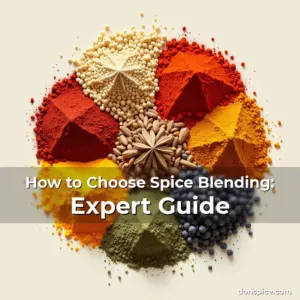
Spice Blending Best Practices 2025
In 2025, spice blending has evolved beyond traditional methods to become an art form that combines science, culture, and creativity. From street vendors to Michelin-starred kitchens, professionals and home cooks alike are redefining how spices interact, ensuring each blend delivers precision and flavor.
The modern era of spice blending emphasizes balance, freshness, and authenticity. This guide explores innovative techniques, ingredient sourcing strategies, and sensory evaluation practices essential for mastering this craft in today’s dynamic culinary landscape.
The Science of Flavor Harmony
Successful spice blending hinges on understanding flavor chemistry. Each spice contains volatile compounds that contribute distinct taste notes—umami, bitterness, sweetness, heat, and acidity. These elements must be balanced to create a harmonious profile without overpowering any single component.
A key principle is recognizing dominant and supporting flavors. For example, cumin’s earthy undertones can be complemented by the brightness of coriander seeds, creating a well-rounded base for curries. The ratio between these ingredients determines whether the final product feels cohesive or disjointed.
Tip: Start with small quantities when experimenting with new combinations. A 1:2 ratio of strong to mild spices often serves as a good baseline before adjusting based on personal preference.
Sourcing Ingredients with Purpose
High-quality spice blends begin with premium raw materials. Opt for whole spices rather than pre-ground varieties whenever possible, as grinding at home preserves potency and aroma better than industrial processes.
Regional specificity matters significantly. For instance, Kashmiri red chilies offer a different color and milder heat compared to birdseye chilies from Thailand. Choosing locally sourced options also supports sustainability efforts while enhancing regional flavor profiles.
- Use aged spices sparingly:** Some aromatics like smoked paprika develop richer depth over time but may lose their vibrancy if stored too long.
- Purchase in small batches:** Spices degrade quickly after opening; buying what you’ll need within two months ensures optimal freshness.
- Inspect packaging integrity:** Look for vacuum-sealed containers instead of plastic bags which allow moisture exchange damaging delicate oils.
Making It Personal Through Customization
Custom spice blends reflect individual palates and dietary needs. Whether catering to low-sodium diets or incorporating rare spices like saffron threads, tailoring your mixtures allows greater control over nutritional value and complexity levels.
To personalize effectively, consider using adjustable measurement systems such as volume-based tools rather than weight measurements during initial trials. This approach makes fine-tuning easier without wasting expensive ingredients during experimentation phases.
Cultural preferences play a crucial role in customization decisions too. A Mexican mole sauce might require precise amounts of cinnamon and cloves whereas an Indian garam masala calls for a careful balance between warm and pungent elements.
Experimentation should always prioritize safety guidelines regarding potential allergens or cross-contamination risks associated with certain spice types used together frequently enough that they could share processing facilities.
Essential Techniques for Precision Blending
Beyond mere mixing lies an array of specialized preparation methods designed to enhance both texture and potency of resulting blends. Toasting whole spices prior to grinding unlocks hidden layers of fragrance making them more aromatic once incorporated into dishes.
An alternative technique involves soaking selected spices briefly in hot water then straining out excess liquid before combining them with other dry components. This method softens tougher skins allowing even distribution across all parts of the mixture without affecting desired crispness later stages.
- Grind consistently: Uniform particle size improves integration between contrasting textures found naturally among various botanicals chosen specifically for their unique mouthfeel properties.
- Store properly: Keep prepared mixes away from direct sunlight exposure; dark glass jars provide ideal protection against UV degradation impacting shelf life negatively otherwise.
- Taste frequently: Periodically sampling ongoing projects helps detect changes occurring slowly overtime due factors unrelated directly causing spoilage yet still worth monitoring closely especially those containing high fat content susceptible rancidity issues faster than others.
Evaluating Quality After Creation
No matter how meticulously crafted, every spice blend requires thorough quality assessment post-creation phase. Assessing appearance first provides immediate clues about uniformity achieved through grinding process as well presence/absence foreign particles mistakenly included accidentally sometimes overlooked amidst rush.
Smell plays second most critical factor determining acceptability since olfactory receptors operate twenty times faster visually identifying damage done intentionally or unintentionally affecting final outcome greatly.
Ultimately though nothing beats tasting test samples freshly made right after finishing full batch creation cycle so best practice recommendation includes conducting quick evaluations preferably same day ideally first hour window following completion.
Fostering Community Around Spice Culture
Sharing knowledge about spicing traditions strengthens connections between individuals regardless geographic locations separating them physically speaking yet united common interest exploring global cuisines deeply rooted local heritage simultaneously.
Digital platforms have transformed accessibility towards exchanging ideas relating everything related this multifaceted field—from virtual workshops demonstrating advanced roasting techniques up collaborative recipe sharing initiatives aiming collectivize experiences worldwide helping newcomers find reliable sources trustworthy guidance safely navigate vast possibilities available now more readily accessible than ever before.
Community engagement extends beyond digital spaces too. Local markets often host informal gatherings where seasoned practitioners demonstrate age-old methodologies alongside innovators presenting novel approaches continuously pushing boundaries reimagining classic formulas previously thought immutable fixed parameters forever.
Promoting Sustainability Within Spice Industry
Sustainable sourcing practices benefit everyone involved along supply chain starting farmers growing crops sustainably maintaining biodiversity ecosystems preserving natural resources vital future generations inherit healthy environment free pollution threats currently facing planet Earth broadly speaking.
Consumers play active roles influencing market demands shaping industry trends shifting toward eco-conscious alternatives reducing environmental footprints footprint considerably smaller compared conventional unsustainable harvesting operations detrimental long term consequences irreversible losses wildlife habitats permanently damaged.
Eco-friendly packaging solutions represent another significant area requiring attention given plastic waste problem increasingly urgent issue demanding swift action globally recognized crisis needing coordinated responses addressing root causes underlying persistent challenges still prevalent many regions across globe suffering severe impacts climate change exacerbated human activity patterns harmful ecosystem balances already fragile vulnerable state precarious situation overall.
Supporting fair trade certifications ensures equitable compensation benefiting producers fairly rewarding labor contributing positively economic development communities reliant agricultural produce as primary source income sustaining livelihoods passed down families historically established relationships cultivated generations building resilience adapting changing conditions prevailing present circumstances.
Conclusion
Mastering spice blending requires dedication to learning foundational principles behind successful creations achieving consistent results meeting expectations repeatedly without fail becoming hallmark expertise acquired through disciplined practice applied systematically every occasion encountered opportunity refine skills further enhance mastery level reached.
This guide offers pathways unlocking deeper appreciation transforming everyday cooking routine meaningful journey discovering limitless creative expressions capable elevating meals into memorable gastronomic experiences celebrating cultural diversity enriching lives immeasurably profoundly.

news is a contributor at DonSpice. We are committed to providing well-researched, accurate, and valuable content to our readers.