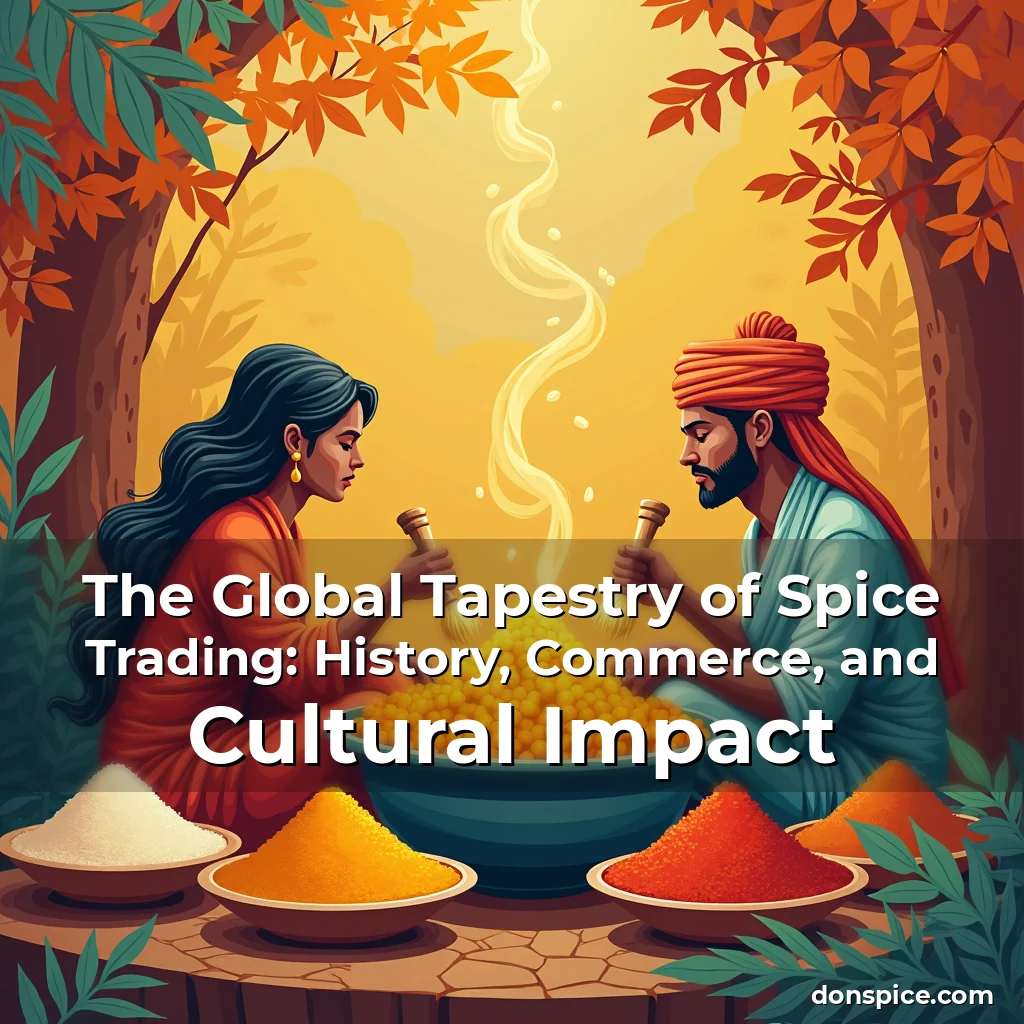
The Global Tapestry of Spice Trading: History, Commerce, and Cultural Impact
In the annals of human history, few commodities have wielded as much influence as spices. From ancient civilizations to modern global markets, the trade of spices has shaped economies, cultures, and even geopolitics.
Spices are not merely flavor enhancers; they are historical artifacts that tell stories of exploration, conquest, and innovation. Their journey from remote regions to bustling marketplaces is a testament to humanity’s relentless pursuit of knowledge and connection.
The Ancient Roots of Spice Trade
Sporadic records indicate that humans began cultivating and trading spices over 6,000 years ago. Early evidence suggests that spices were among the first items exchanged along trade routes such as those connecting Mesopotamia, Egypt, and Indus Valley civilizations.
Archaeological findings near the Euphrates River reveal remnants of cinnamon and cardamom, indicating early spice usage. These discoveries highlight how deeply intertwined spice commerce was with daily life and rituals in these societies.
The Silk Road played a pivotal role in spreading spices across continents. This vast network facilitated exchanges between Asia, Africa, Europe, and beyond, making exotic flavors accessible to diverse populations.
Cinnamon, black pepper, and cloves became highly sought-after goods during antiquity. Their rarity and perceived medicinal properties made them invaluable commodities, often used in religious ceremonies and royal courts.
Medieval Spice Markets and Maritime Exploration
During the Middle Ages, European demand for Eastern spices surged dramatically. Spices like nutmeg, ginger, and saffron were considered luxuries that only the wealthy could afford.
This insatiable appetite sparked intense competition among European powers. The Portuguese established sea routes around Africa, while the Dutch and British vied for control over spice-producing islands in Southeast Asia.
- Nutmeg and mace: Native to Banda Islands, these spices were so coveted that entire wars were fought over their control.
- Vanilla: Once harvested exclusively by indigenous peoples in Mexico, its cultivation spread globally through colonial efforts.
Maritime empires flourished due to the lucrative spice trade. Companies like the East India Company amassed immense wealth and political power by monopolizing access to key spice-producing regions.
The Age of Sail transformed spice trading from land-based barter systems into an expansive maritime enterprise. Ships laden with cargo navigated treacherous waters to transport precious cargoes back to Europe.
Economic Implications of the Spice Trade
Spice trading generated unprecedented economic growth in both producing and consuming regions. It stimulated local industries, created employment opportunities, and fueled technological advancements in shipbuilding and navigation.
Colonial powers imposed heavy taxes and restrictions on native producers to maintain dominance over spice production. This exploitation led to significant social unrest and resistance movements in colonized territories.
Modern supply chains continue to reflect patterns established centuries ago. While globalization has diversified sources and reduced prices, some traditional spice-growing regions still hold strategic importance.
Economists argue that the legacy of spice trading persists today in terms of international trade agreements and agricultural policies that favor certain regions over others.
Cultural Significance and Culinary Influence
Beyond economics, spices have profoundly influenced culinary traditions worldwide. They form the backbone of many national cuisines, dictating flavor profiles and cooking techniques passed down through generations.
Regional variations in spice use showcase cultural identities. For instance, Indian cuisine relies heavily on turmeric and cumin, whereas Mediterranean dishes feature oregano and thyme prominently.
The integration of new spices into regional diets often results in fusion cuisines. Examples include Peruvian ceviche infused with lemongrass or Thai curries incorporating coconut milk alongside traditional ingredients.
Cooking methods also evolve based on available spices. Techniques like roasting, grilling, and fermenting differ significantly depending on which spices are commonly used in a given culture.
Environmental Considerations in Modern Spice Production
Today’s spice industry faces mounting environmental challenges. Intensive farming practices threaten biodiversity and contribute to soil degradation in tropical regions where most spices grow naturally.
Climate change poses serious risks to spice crops. Rising temperatures and erratic rainfall patterns disrupt planting cycles and reduce yields for farmers dependent on seasonal harvests.
Organic farming initiatives aim to mitigate ecological damage caused by synthetic fertilizers and pesticides used extensively in commercial spice cultivation.
Sustainable harvesting techniques promote long-term viability without depleting natural resources. These approaches prioritize regenerative agriculture principles and support eco-friendly packaging solutions.
The Digital Transformation of Spice Trading
The internet has revolutionized how people discover and purchase spices. Online platforms connect buyers directly with artisanal producers, bypassing intermediaries who once controlled pricing and availability.
Social media trends have reshaped consumer preferences towards rare and exotic varieties previously inaccessible outside specialty stores. Influencers play a crucial role in popularizing niche products.
E-commerce innovations enable personalized shopping experiences tailored to individual tastes. Virtual tasting sessions allow customers to explore different spice blends before purchasing physical samples.
Data analytics help businesses predict market demands accurately. By analyzing search queries and sales data, companies can optimize inventory management strategies effectively.
Fostering Community Through Shared Passion for Spices
Communities centered around spice appreciation foster connections among enthusiasts from various backgrounds. Events celebrating global spice heritage bring together chefs, historians, and food lovers alike.
Local spice festivals offer hands-on workshops teaching participants about grinding, blending, and storing techniques essential for preserving quality at home.
Online forums provide spaces for exchanging recipes, sharing personal anecdotes, and discussing ethical sourcing issues related to fair trade certifications.
Collaborative projects involving chefs and botanists lead to innovative uses of lesser-known spices, expanding our collective understanding of their potential applications.
Conclusion
The enduring allure of spices continues to captivate minds and palates across generations. As we trace their journey through time, we uncover layers of complexity woven into every transaction and tradition.
By embracing sustainable practices and supporting small-scale growers, individuals can contribute meaningfully to preserving both cultural legacies and ecological balance within the world of spice trading.

news is a contributor at DonSpice. We are committed to providing well-researched, accurate, and valuable content to our readers.